xr:d:DAFybrf3JVE:158,j:4542290010922966119,t:23112010
Cholelithiasis; Gallbladder attack; Biliary colic; Gallstone attack; Biliary calculus: gallstones chenodeoxycholic acids (CDCA); Ursodeoxycholic acid (UDCA, ursodiol); Endoscopic retrograde cholangiopancreatography (ERCP) – gallstones
Many people with gallstones do not have any symptoms. These are often found during a routine x-ray, abdominal surgery, or other medical procedure.
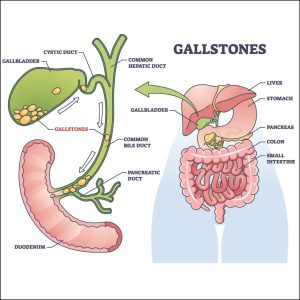
However, if a large stone blocks a tube or duct that drains the gallbladder, you may have a cramping pain in the middle to right upper abdomen. This is known as biliary colic. The pain goes away if the stone passes into the first part of the small intestine.
Symptoms that may occur include:
- Pain in the right upper or middle upper abdomen for at least 30 minutes. The pain may be constant or cramping. It can feel sharp or dull.
- Fever.
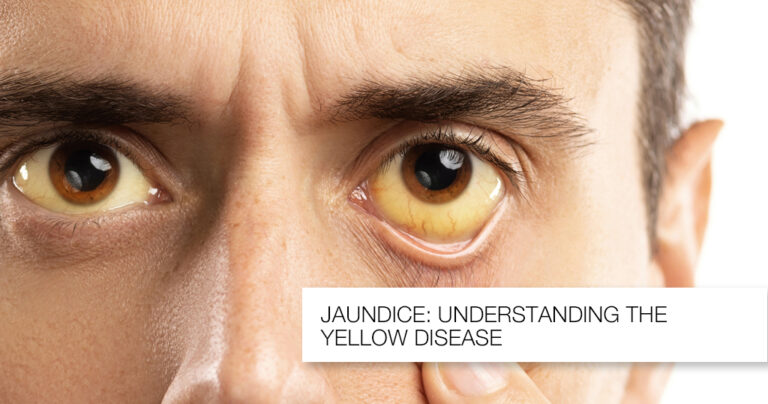
- Yellowing of skin and whites of the eyes (jaundice).
Other symptoms may include:
- Clay-colored stools
- Nausea and vomiting
-
Causes
The cause of gallstones varies. There are two main types of gallstones:
- Stones made of cholesterol — This is the most common type. Cholesterol gallstones are not related to cholesterol level in the blood. In most cases, they are not visible on CT scans but are visible on a sonogram (ultrasound) of the abdomen.
- Stones made of bilirubin — These are called pigment stones. They occur when red blood cells are destroyed and too much bilirubin is in the bile.
Gallstones are more common in:
- Female sex
- Native Americans and people of Hispanic descent
- People over age 40
- People who are overweight
- People with family history of gallstones
The following factors also make you more likely to develop gallstones:
- Bone marrow or solid organ transplant
- Diabetes
- Failure of the gallbladder to empty bile properly (this is more likely to happen during pregnancy)
- Liver cirrhosis and biliary tract infections (pigmented stones)
- Medical conditions that cause too many red blood cells to be destroyed
- Rapid weight loss from eating a very low-calorie diet, or after weight loss surgery
- Receiving nutrition through a vein for a long period of time (intravenous feedings)
- Taking birth control pills
Exams and Tests
Tests used to detect gallstones or gallbladder inflammation include:
- Ultrasound, abdomen
- CT scan, abdomen
- Endoscopic retrograde cholangiopancreatography (ERCP)
- Gallbladder radionuclide scan
- Endoscopic ultrasound
- Magnetic resonance cholangiopancreatography (MRCP)
- Percutaneous transhepatic cholangiogram (PTCA)
Your health care provider may order the following blood tests:
- Bilirubin
- Liver function tests
- Complete blood count
- Pancreatic enzyme (amylase or lipase)
- SURGERYMost of the time, surgery is not needed unless symptoms begin. However, people planning weight loss surgery may need to have gallstones removed before undergoing the procedure. In general, people who have symptoms will need surgery right away or soon after the stone is found.
- A technique called laparoscopic cholecystectomy is most commonly used. This procedure uses small surgical incisions, which allow for a faster recovery. A patient can often go home from the hospital within 1 day of surgery.
- In the past, open cholecystectomy (gallbladder removal) was most often done. However, this technique is less common now.
- MEDICINESMedicines may be given in pill form to dissolve cholesterol gallstones. However, these drugs may take 2 years or longer to work, and the stones may return after treatment ends.
Rarely, chemicals are passed into the gallbladder through a catheter. The chemical rapidly dissolves cholesterol stones. This treatment is hard to perform, so it is not done very often. The chemicals used can be toxic, and the gallstones may return.
- ERCP and a procedure called a sphincterotomy may be done to find or treat gallstones in the common bile duct.
-
Possible Complications
Blockage by gallstones may cause swelling or infection in the:
- Gallbladder (cholecystitis)
- Tube that carries bile from the liver to the gallbladder and intestines (cholangitis)
- Pancreas (pancreatitis)