








Breast Cancer in 2025 : Dr. Ramjee Bastola , NEPAL
Breast Cancer in 2025: Advancements, Challenges, and Hope Breast cancer remains one of the most common and widely recognized forms of cancer globally, particularly among women. Despite major progress in prevention, early detection, and treatment, it continues to pose a significant health burden. As of 2025, breast cancer research and clinical care are experiencing rapid…
Scientists discover ‘critical’ link between autism and a virus-updates
A virus common in newborn babies may increase their risk of developing autism, a study suggests. By examining medical records of nearly 3million infants, researchers found those born with cytomegalovirus (CMV) were two-and-a-half times more likely to be ..This seemingly harmless cold-like bug affects roughly one in every 200 babies, and is the most common infection…
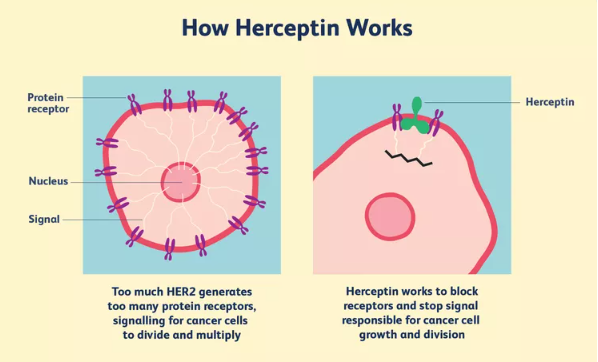
Targeted therapy
Targeted therapy is a type of cancer treatment that works differently to chemotherapy. Chemotherapy attacks all rapidly dividing cells in the body, but targeted therapy works by “targeting” those differences that help a cancer cell to survive and grow. Targeted treatments can be taken orally, injected or given intravenously (through a vein). They may be given…

Treatment of breast cancer
Treatments are less invasive when breast cancer is detected at an early stage. Challenges for breast cancer treatment in Nepal include patient’s financial status (given the huge out-of-pocket expenditure), accessibility and availability of health services and infrastructures, etc. Several modalities of treatment are currently available for breast cancer patients as following: Surgery: Many breast cancer…
BREAST CANCER AWARENESS AND EARLY DETECTION
Early detection of breast cancer aims to reduace mortality and other serious consequences of advanced disease through the early clinical diagnosis of symptomatic breast cancer or by screening asymptomatic women (Sankaranarayanan, 2000). When earlier treatments are available for detected cases, life expectancy, loco regional control of disease, and quality of life are much improved. In…