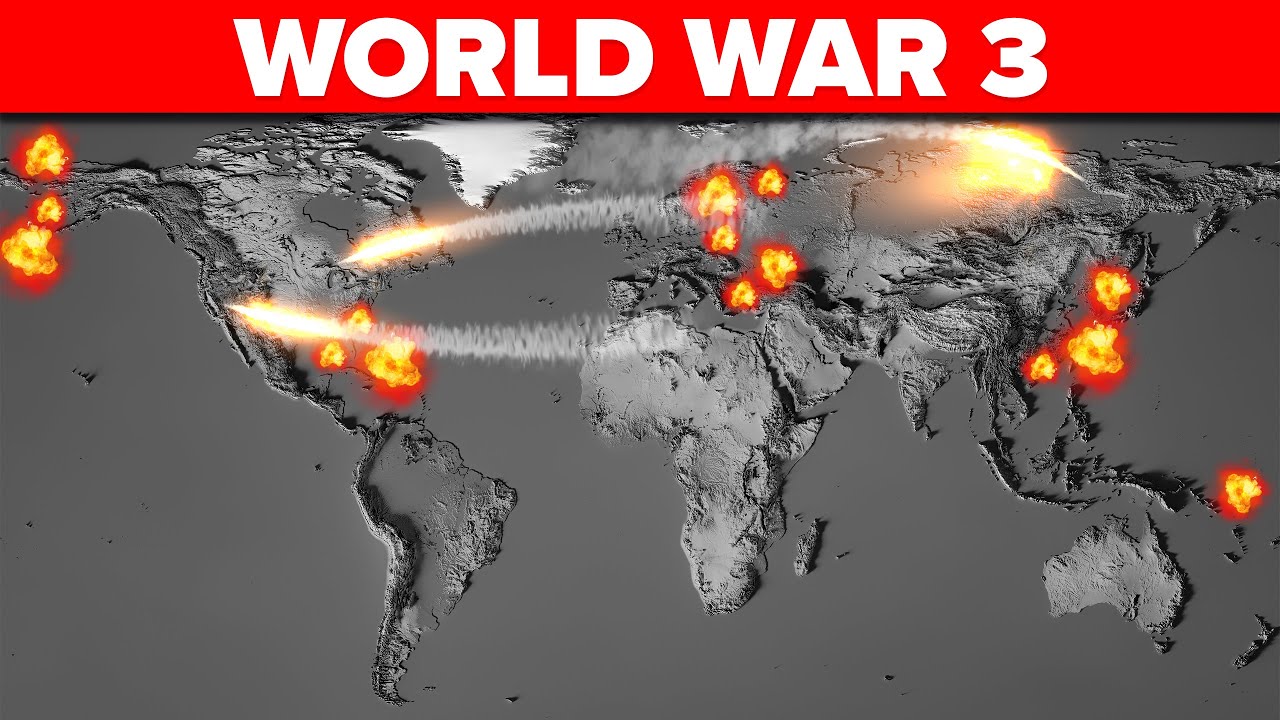
he prospect of a third global conflict in the 21st century presents a medical landscape drastically different from the industrial-scale trauma of the 1940s. While World War II was defined by antibiotics and blood plasma, a future world war will be characterized by asymmetric biotechnology, cyber-physical healthcare collapse, and the politicization of essential medicine.
1. The Weaponization of Biology: Engineered Pathogens
The most significant medical challenge is the potential shift from traditional kinetics to synthetic biology. Modern gene-editing tools like CRISPR have lowered the barrier for creating “designer pathogens” [1, 5]. Unlike natural viruses, these could be engineered for:
- Selective Virulence: Pathogens designed to target specific genetic markers or agricultural staples to induce famine [5].
- Stealth Incubation: Diseases with long asymptomatic periods to ensure global spread before detection [5].
- Antibiotic Resistance: Creating bacterial strains immune to all known “last-resort” treatments [1].
2. The Collapse of Globalized Supply Chains
Modern medicine relies on a fragile “just-in-time” global delivery system. Most active pharmaceutical ingredients (APIs) for antibiotics, analgesics, and insulin are concentrated in a few geographic hubs [2, 6].
- Blockades and Embargoes: A global conflict would likely sever these routes, leading to immediate shortages of life-saving maintenance drugs for chronic conditions (diabetes, hypertension) [2].
- Sovereign Hoarding: Nations are likely to nationalize medical production, leaving non-combatant or resource-poor regions in a state of “medical desertification” [6].
3. Cyber-Warfare and Hospital Infrastructure
Healthcare is now a digital enterprise. In a future war, hospitals will be primary targets for non-kinetic strikes [3, 4].
- Infrastructure Paralysis: Ransomware and state-sponsored malware could disable ventilators, MRI machines, and electronic health records (EHRs) [4].
- Data Corruption: Altering blood types or allergy records in a digital database could cause more fatalities than direct shelling [3].
4. Psychological Warfare and Cognitive Health
The “battlefield” will extend to the civilian mind via deepfakes and algorithmic disinformation [7].
- Mass Psychogenic Illness: Using digital misinformation to trigger mass panic or distrust in public health initiatives (like vaccines) [7].
- Advanced PTSD: The use of autonomous “loitering munitions” (drones) creates a state of perpetual hyper-vigilance, leading to unprecedented levels of complex trauma in both soldiers and civilians.
5. Multi-Domain Trauma Care
The speed of modern weaponry—hypersonic missiles and directed-energy weapons—creates injuries that current field medicine is ill-equipped to handle [8].
- Micro-Trauma: Widespread use of thermobaric weapons results in internal blast injuries that are difficult to triage in high-casualty environments [8].
- Tele-Surgical Vulnerability: While remote surgery is a goal, the loss of satellite or fiber-optic stability during war would render high-tech field hospitals useless.
Summary of Critical Challenges
| Challenge Category | Primary Driver | Medical Impact |
|---|---|---|
| Biosecurity | Synthetic Biology | Rapid spread of engineered, untreatable pandemics. |
| Logistics | Trade Disruption | Massive mortality from lack of basic maintenance drugs. |
| Cyber-Physical | Network Attacks | Complete loss of diagnostic and life-support tech. |
| Neuro-Psych | Cognitive Warfare | Societal-scale mental health collapse and disinformation. |
Should we focus on specific countermeasures like decentralized pharmaceutical manufacturing, or explore the ethical dilemmas of triage in a resource-denied environment?