first aid for usmle step1 immuno
The basic science USMLE Step One video lecture collection in one channel.
The Best Strategy: First Aid + Q Banks
The recommended method is best called the “annotation approach,” works exceptionally well for immunology. Here is the step-by-step process how you can get it.
- Read First for Context: Begin by reading the entire Immunology chapter in First Aid to establish a solid framework of how the immune system’s components work together.
- Test with a Q Bank: Switch to a question bank (like USMLE-Rx, Amboss, or UWorld) and do questions in tutor mode, untimed, focused only on immunology.
- Annotate and Learn: For every question, whether you get it right or wrong, find the related topic in your First Aid book. If the answer explanation contains a fact not in the book, write it in the margin. Circle key steps in pathways and note down any memory devices (mnemonics) .
Many students complete one or two passes through their Q bank. By the end, your First Aid chapter will be filled with personalized, high-yield notes.
🩺 High-Yield Topics to Master
According to the same source, the following concepts are the most testable and should be your top priority :
| Topic Category | Specific High-Yield Items |
|---|---|
| Immunodeficiencies | Specific deficits and their associated presentations (e.g., recurrent infections with specific pathogens). |
| Hypersensitivity Reactions | The 4 types (I, II, III, IV), their mechanisms, and the specific diseases associated with each type (e.g., knowing that rheumatic fever involves multiple types). |
| Autoantibodies | Know the disease association for each autoantibody (e.g., anti-dsDNA and anti-Smith for lupus, their sensitivity/specificity). |
| Transplant Rejection | The different types: hyperacute, acute, and chronic rejection. |
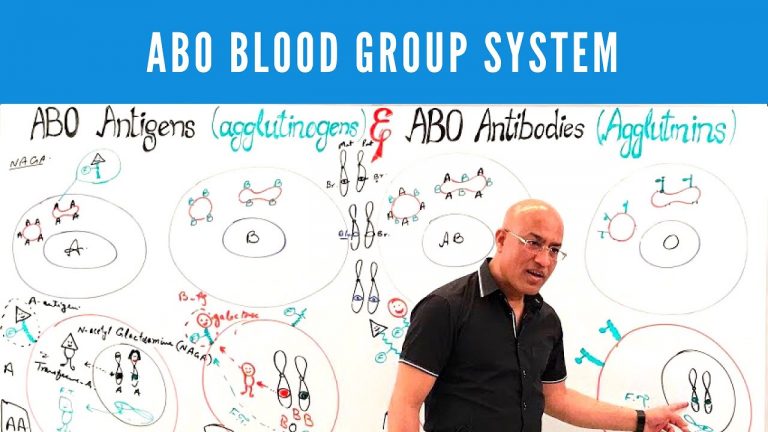
| Blood Transfusion Reactions | Mechanisms of acute and delayed hemolytic reactions, febrile reactions, etc. |
| Cytokines | Which cytokines are involved in which diseases, and the medications that target them (e.g., biologics). |
| Biologic Drugs | Memorize the specific mechanisms of action for monoclonal antibodies and other immune-related therapies. |
| T-Cell Differentiation | Map out the development of a T-cell, including location, cytokines required, and receptor profile. |
| T-Cell Subsets (Th1, Th2, Th17) | Their function, associated cytokines, and key disease associations (e.g., Th17 in psoriasis). |
| Immunoglobulin Isotypes (IgG, IgA, etc.) | Which ones cross the placenta, are found in secretions, activate complement, etc. |
| Complement Cascade | The pathways (classical, alternative, lectin) and disease associations of specific complement deficiencies (e.g., C5-C9 deficiency leading to Neisseria infections). |
| HLA Subtypes | Disease associations (e.g., HLA-B27 with ankylosing spondylitis). |
| Vaccine Types | Live vs. killed vs. toxoid vaccines, indications, and contraindications (e.g., avoiding live vaccines in immunocompromised patients). |